The Quiet Revolution: How John Waller Taught a Generation of American Christians to Wait Well
More Than a Hit Song
There's a version of the John Waller story that goes like this: gifted artist writes a powerful worship song, it connects with listeners, and it becomes a beloved staple of Christian radio. That version is true. But it's also incomplete.
Because the fuller story — the one fans and pastors and ordinary churchgoers have been living out for nearly two decades — is about something quieter and more durable than chart performance. It's about how a body of music became embedded in the spiritual DNA of American Christian life in a way that's hard to measure but impossible to miss once you start paying attention.
John Waller's catalog didn't just give people songs to sing. It gave people a language for one of the hardest spiritual experiences there is: waiting on God when the answer hasn't come yet.
The Theology of Active Patience
If you want to understand why Waller's music landed the way it did, start with the theology underneath it. American Christianity has a complicated relationship with waiting. In a culture built on immediacy — fast results, visible progress, measurable outcomes — the biblical call to patient endurance can feel almost countercultural. Most worship music sidesteps the tension. Waller leaned into it.
Tracks like While I'm Waiting don't promise that the wait will be short or that God will explain himself. Instead, they reframe the waiting itself as an act of worship. "I will move ahead, bold and confident, taking every step in obedience" — that's not passive resignation. That's active, costly faithfulness in the absence of resolution. For a lot of American believers sitting in genuinely hard circumstances, that distinction mattered enormously.
Pastors who've used Waller's music in small group settings and Sunday services will tell you the same thing: his lyrics give people permission to be honest about struggle without abandoning faith. That's a narrow and difficult line to walk in songwriting, and he walked it consistently.
In the Waiting Rooms That Matter Most
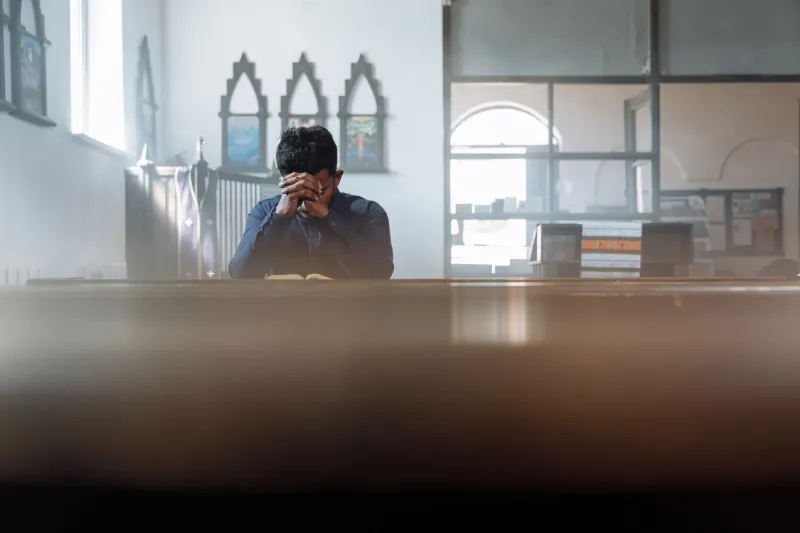
Ask fans where they first really heard a John Waller song — not just listened to it, but let it reach them — and the answers follow a pattern. Hospital rooms come up constantly. So do seasons of job loss, infertility, grief, and relational breakdown. These are the moments when polished, triumphant worship anthems can feel hollow, and when something that acknowledges the weight of the wait feels like water in a dry place.
One fan from Tennessee described playing While I'm Waiting on repeat during her mother's final weeks in hospice care. "It wasn't a happy song," she said, "but it was an honest one. And honest was what we needed." Another listener from the Pacific Northwest talked about how his small group adopted the song as a kind of unofficial theme during a two-year stretch when several members were navigating serious illness and unemployment simultaneously. "We'd play it at the start of every gathering. It became our way of saying, 'We're still here. We're still trusting. Even now.'"
These stories aren't anomalies. They're the norm. And they point to something important about how Waller's influence actually spread — not through mass marketing, but through personal, often painful moments of connection.
Sunday Morning and the Surrender Conversation
Beyond individual listeners, Waller's music has quietly shaped how American congregations approach the theme of surrender in corporate worship. Surrender is another concept that American Christianity tends to wrestle with. It can sound passive, even weak, in a cultural context that prizes agency and self-determination.
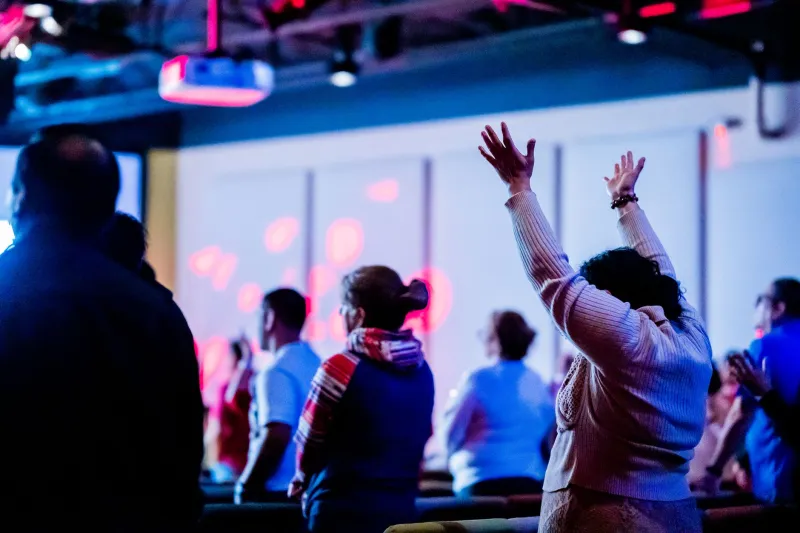
What Waller's catalog did — particularly songs centered on yielding personal will to God's timing and plan — was frame surrender not as defeat but as the most demanding form of trust. That reframe resonated in church settings in a deep way. Worship leaders across the country have noted that Waller's songs tend to open something up in congregations that more triumphant material doesn't reach. There's a vulnerability in the lyrics that gives corporate worship permission to be honest rather than performative.
For smaller churches especially — the kind of congregations that don't have production budgets or celebrity guest speakers — Waller's music offered something genuinely valuable: worship material that met people where they actually were, not where they were supposed to be.
A Legacy Built Below the Surface
It's worth pausing on what "influence" looks like for an artist like John Waller. It doesn't always show up in streaming numbers or awards. Sometimes it shows up in a youth pastor in rural Ohio who still opens retreats with While I'm Waiting because nothing else has ever done the same thing for a room full of teenagers. Sometimes it shows up in a woman in her sixties who can quote the bridge of a Waller song from memory because she sang it to herself through a decade of caregiving.
This is legacy built below the surface. It's the kind that doesn't generate press releases but does generate something more lasting — a quiet, widespread reshaping of how people relate to God in the hard middle of their stories.
American Christian culture tends to celebrate the mountain-top moments: the breakthroughs, the healings, the answers that finally came. Waller's music did something different. It dignified the valley. It said, in melody and lyric, that what happens in the waiting — the faithfulness, the tears, the stubborn choosing to trust — is not wasted time. It is, in fact, the whole point.
Why It Still Matters
We're living in a moment when questions of patience, surrender, and trust feel as urgent as ever. Uncertainty isn't going anywhere. The human need for music that helps us hold on without pretending everything is fine isn't going anywhere either.
That's why John Waller's catalog continues to find new listeners, new moments, new rooms where it does its quiet work. It's not nostalgia that keeps these songs alive. It's relevance — the stubborn, durable kind that only comes when an artist has made something genuinely true.
For fans who've followed Waller's journey from the beginning, none of this is a surprise. They already knew. They were in those hospital rooms and small group circles and Sunday morning services. They watched what the music did.
The rest of the world is still catching up.