From Prayer Closet to Recording Booth: Inside John Waller's Songwriting Process
From Prayer Closet to Recording Booth: Inside John Waller's Songwriting Process
Most of us encounter a John Waller song in the middle of something — a Sunday service, a long drive down an empty highway, or one of those 2 a.m. moments when the world gets too heavy and you need something real to hold onto. What we don't usually think about is where that song came from. Not the label, not the studio, not even the church — but the raw, unglamorous, deeply personal space where the words first showed up.
For John Waller, songwriting has never been a performance exercise. It's closer to excavation. And understanding how he works gives you a whole new way to hear what he's made.
It Starts Before the Pen Ever Touches Paper
If you've followed John's story at all — and if you're here on johnwalleronline.com, there's a good chance you have — you know that his faith isn't a backstory. It's the engine. So it probably won't surprise you to learn that his songwriting process doesn't begin with a guitar riff or a catchy hook. It begins with stillness.
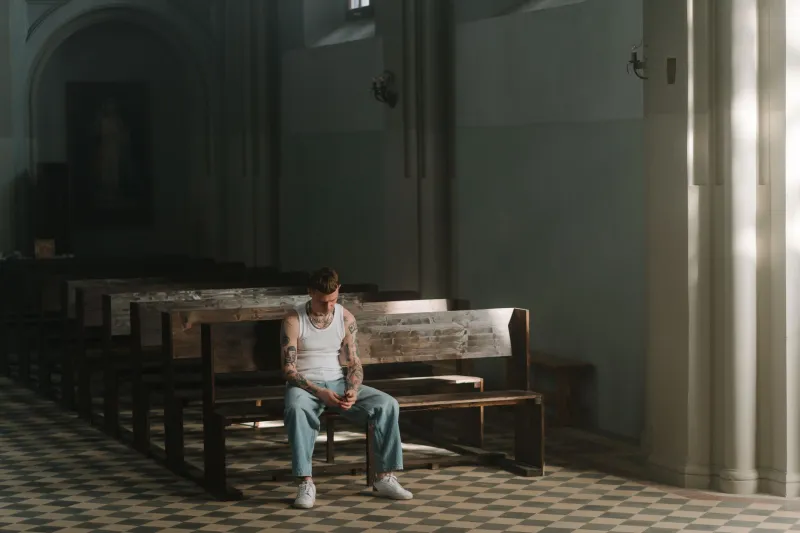
In interviews over the years, John has talked openly about the role of personal prayer in his creative life. Not the kind of prayer that sounds polished or rehearsed, but the kind that's more like a conversation you'd have with someone you trust completely. He's described sitting with scripture — really sitting with it, not speed-reading for inspiration, but letting particular passages settle into him before he ever reaches for a notebook.
For a guy who came up through rock music, that kind of patience is striking. But it's also exactly why his songs land the way they do. There's no shortcut in the process, and it shows in the product.
When Scripture Becomes the First Draft
One of the most distinctive things about John Waller's songwriting is how directly biblical text shapes his lyrics. This isn't always a conscious, systematic thing — it's more organic than that. A verse he's been sitting with during his quiet time will start to surface in a melody, or a phrase from a psalm will become the backbone of a chorus.
Take While I'm Waiting, arguably his most recognized song. The emotional and theological core of that track — this idea of actively serving, worshiping, and moving forward even while you're stuck in a season of uncertainty — is deeply rooted in Old and New Testament themes about hope and endurance. John has noted that the song came out of a genuinely difficult personal season, which means the scripture he was leaning on wasn't academic. It was survival.
That's the intersection that makes his writing feel different from a lot of contemporary Christian music. The Bible isn't being quoted for effect. It's being lived, and then written about.
The Role of Real Life (Including the Hard Parts)
Here's something worth saying plainly: John Waller doesn't write around pain. He writes through it.
His willingness to pull from personal struggle — marriage difficulties, spiritual dry seasons, the grinding uncertainty that every believer faces at some point — gives his songs a texture that polished, committee-written worship tracks often lack. When he's working through a lyric, he's asking himself whether it's actually true. Not theologically correct in the abstract, but true to human experience.
This is part of why his songs connect with such a wide range of people. A retiree in rural Tennessee and a college student in suburban Ohio can both hear As For Me and My House and feel like it was written for them. Because in some meaningful sense, it was — not for a demographic, but for anyone who's ever had to make a hard, costly choice to stay faithful.
In the writing room, John has described a kind of internal test he applies to a lyric: would he be comfortable singing this in front of God, knowing it has to be honest? It's a high bar. It's also why the songs hold up.
Structure, Melody, and the Craft Side of Things
Let's not romanticize this so much that we forget songwriting is also a craft — and John Waller takes the craft seriously.
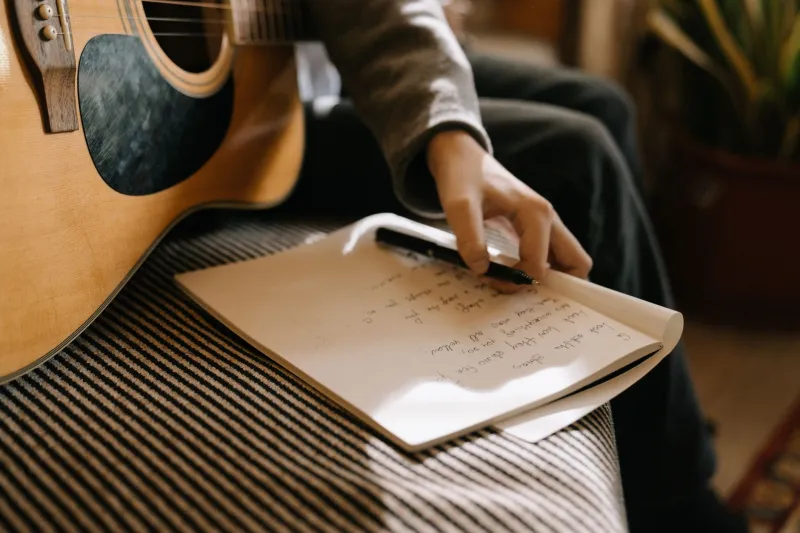
He's talked about working through multiple versions of a lyric before landing on the right phrasing. Worship songs carry a particular challenge: they need to be singable by a congregation, which means the melody has to be accessible and the syllable counts have to work in real time. You can't write a lyric that's theologically rich but rhythmically impossible and expect a room full of people to follow along.
John navigates this by staying close to simplicity without sacrificing depth. His choruses tend to be direct and declarative — statements of faith, not theological arguments. The verses carry more nuance, more narrative. By the time you hit the bridge, you've been taken somewhere, and the payoff feels earned rather than manufactured.
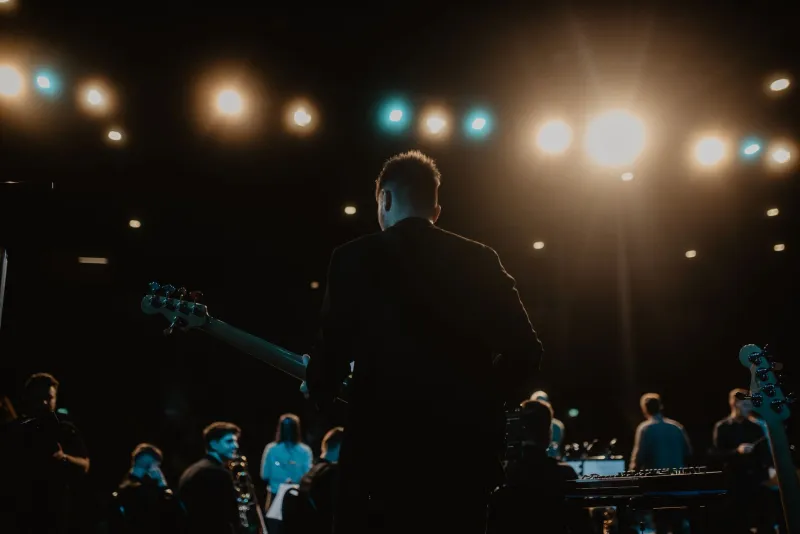
He's also spoken about collaboration, both with other songwriters and with his band during the arrangement phase. A song that works acoustically in a quiet room might need to breathe differently when a full band enters the picture. That transition — from the writer's chair to the rehearsal space to the recording booth — involves a lot of listening and a willingness to let the song become what it needs to be, not just what it started as.
What the Studio Reveals
By the time John Waller is recording, the song has already been through a lot. But the studio isn't just a finishing step — it's another layer of the process.
Production choices matter in worship music, maybe more than people realize. Too much polish and a song can feel unreachable, like it belongs to professionals rather than people. Too raw and it can distract from the message. John has consistently landed in a middle space — produced enough to feel intentional, honest enough to feel human.
The way his vocals are treated in the mix, the way dynamics are handled across a track — these aren't accidental. They reflect the same values that guide the writing: authenticity over impression, substance over spectacle.
What This Means for How You Listen
Knowing how John Waller works doesn't just satisfy curiosity. It actually changes the listening experience.
When you hear a line that hits unexpectedly hard, you can trace it back — to a prayer, to a scripture, to a real moment in someone's life that got turned into something you could sing. That's not a small thing. In a world full of content manufactured to trend, there's something genuinely countercultural about an artist who still starts in the quiet and works his way outward.
So next time a Waller song comes on — whether you're in a pew, on a treadmill, or just sitting in your car in a parking lot trying to collect yourself — take a second to appreciate what went into it. The song you're hearing is the visible part of something that started somewhere much more private, and much more real.
And that's exactly what makes it worth singing.