When Private Pain Becomes Public Praise: The Lyrical Honesty That Made John Waller a Voice for American Worshipers
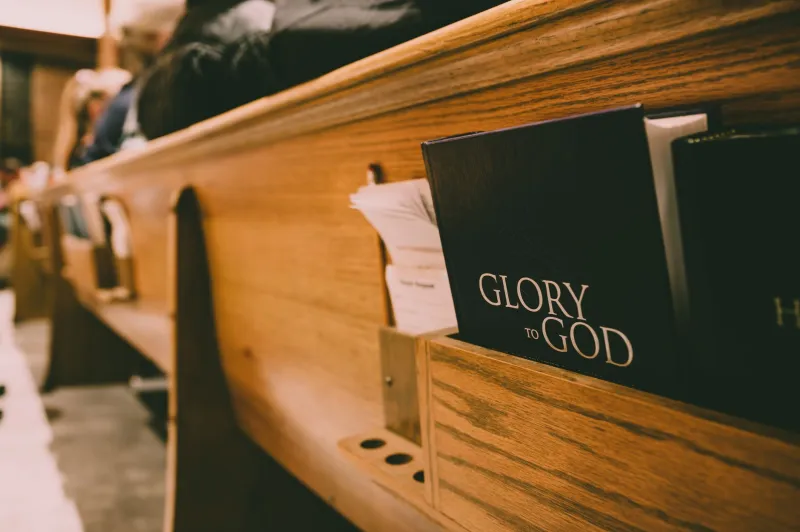
There's a moment a lot of John Waller fans describe in almost identical terms. They're sitting in a church pew, or driving alone on a highway somewhere in the American Midwest, or maybe crying in a hospital waiting room — and a lyric hits them so squarely in the chest that it feels less like a song and more like someone read their journal. That moment isn't an accident. It's the result of a songwriter who made a deliberate, sometimes costly choice: to tell the truth.
In a genre that sometimes gravitates toward the triumphant and the polished, Waller carved out something different. His lyrics carry the weight of actual lived experience — doubt that lingers, faith that wavers, hope that costs something. And paradoxically, the more personal those lyrics get, the more universally they seem to land.
The Confessional Tradition Waller Taps Into
Confessional songwriting in Christian music has deep roots. Think of the raw desperation in the Psalms — David writing about feeling utterly abandoned, about enemies closing in, about a God who sometimes feels silent. That tradition of honest lament before the Lord has always been part of the faith. But somewhere along the way, a segment of contemporary worship music drifted toward a kind of emotional optimism that, while uplifting, can feel disconnected from the harder realities of everyday American Christian life.
Waller didn't drift that direction. Songs like While I'm Waiting pull directly from that older, grittier tradition. The lyric isn't "I've arrived" — it's "I'm still here, still waiting, still moving even when I don't feel like it." That's a fundamentally different posture, and American believers recognized it immediately because it matched where so many of them actually were.
Confessional songwriting works because it creates what you might call a permission structure. When a songwriter admits to struggling, listeners feel permitted to admit the same. The song becomes less of a performance and more of a conversation — or better yet, a shared prayer.
The Specific Moments Where Vulnerability Broke Through
Look closely at Waller's lyrics and you start to notice how carefully crafted the vulnerability actually is. It's not vague emotional language designed to feel relatable. It's specific. And specificity is everything in songwriting.
Take the imagery of waiting with purpose rather than passivity. For a country full of people dealing with job losses, health crises, broken relationships, and faith crises — particularly through the turbulent years of the late 2000s and into the 2010s — the idea of active, dignified waiting hit a cultural nerve. It gave people a framework for seasons of life that otherwise felt like pure stagnation.
Or consider the way Waller's lyrics handle the tension between surrender and agency. There's no easy resolution handed to the listener. The songs sit in the discomfort for a while, which is unusual and, for many fans, deeply comforting. It signals that the songwriter has actually been in that uncomfortable place — not just visited it briefly and moved on.
Fans across the US have shared testimonials that follow a remarkably consistent pattern: the song found them at their lowest point, and what helped wasn't the promise that everything would be fine, but the acknowledgment that right now, things are hard, and that's real, and God is still present in it.
Why American Congregations Hunger for Honest Worship
America's relationship with Christian worship music is complicated. The country has produced some of the most commercially successful worship acts in the world, but there's a growing undercurrent of listeners — particularly among millennials and Gen X believers — who've grown skeptical of music that feels more like a production than a prayer.
This skepticism isn't cynicism. It's actually a sign of spiritual hunger. People want songs that hold up when life falls apart. They want lyrics they can sing honestly rather than lyrics they have to perform. When a worship song feels aspirational to the point of dishonesty — when it describes a spiritual state that most people in the congregation aren't actually in — it creates a kind of dissonance that erodes trust over time.
Waller's music doesn't create that dissonance. It meets people where they are. And in American church culture, where there can be enormous social pressure to appear spiritually "together," a song that openly acknowledges struggle is quietly radical. It gives congregations permission to worship authentically rather than performatively.
Pastors across the country have noted this. Worship leaders have built entire service sets around Waller's songs specifically because they create space for honest engagement. The music doesn't demand that you arrive at the service already victorious — it walks with you through the middle of the battle.
The Songwriting Process Behind the Honesty
Waller has spoken in various interviews about the fact that his songs emerged from genuine personal crisis — from periods of real uncertainty about his faith, his direction, and his future. That biographical reality matters because it's detectable in the music. Listeners, even those who don't know his story, can sense the difference between a song written from imagination and a song written from experience.
There's a craft dimension to this too, though. Transforming private pain into public worship isn't just a matter of being honest — it requires skill to shape that honesty into something singable, something that generalizes without losing its specificity. Waller threads that needle consistently. The songs feel personal and universal at the same time, which is genuinely difficult to pull off.
The production choices support this too. The arrangements tend to leave room — space where the listener can insert their own experience into the song. It's not overproduced to the point where it becomes the artist's story instead of the listener's.
What This Means for the Broader Worship Conversation
The success of John Waller's most confessional work contributes to a larger conversation happening in American Christian music right now: What does authentic worship actually sound like? How honest can a worship song be? Is there space for lament and doubt and unresolved tension in Sunday morning music?
Waller's catalog suggests the answer to all of those questions is yes — and that not only is there space for honesty, there's an enormous appetite for it. The songs that have endured in congregations across the country aren't the ones that promised the easiest spiritual journey. They're the ones that told the truth about the hard parts.
That's a legacy worth paying attention to. In a media landscape full of noise, John Waller's music keeps finding its way into the quietest, most vulnerable moments of people's lives — not because it's polished, but because it's real.
And in the end, that's what prayer sounds like.